
Cornell University

Residential Experience
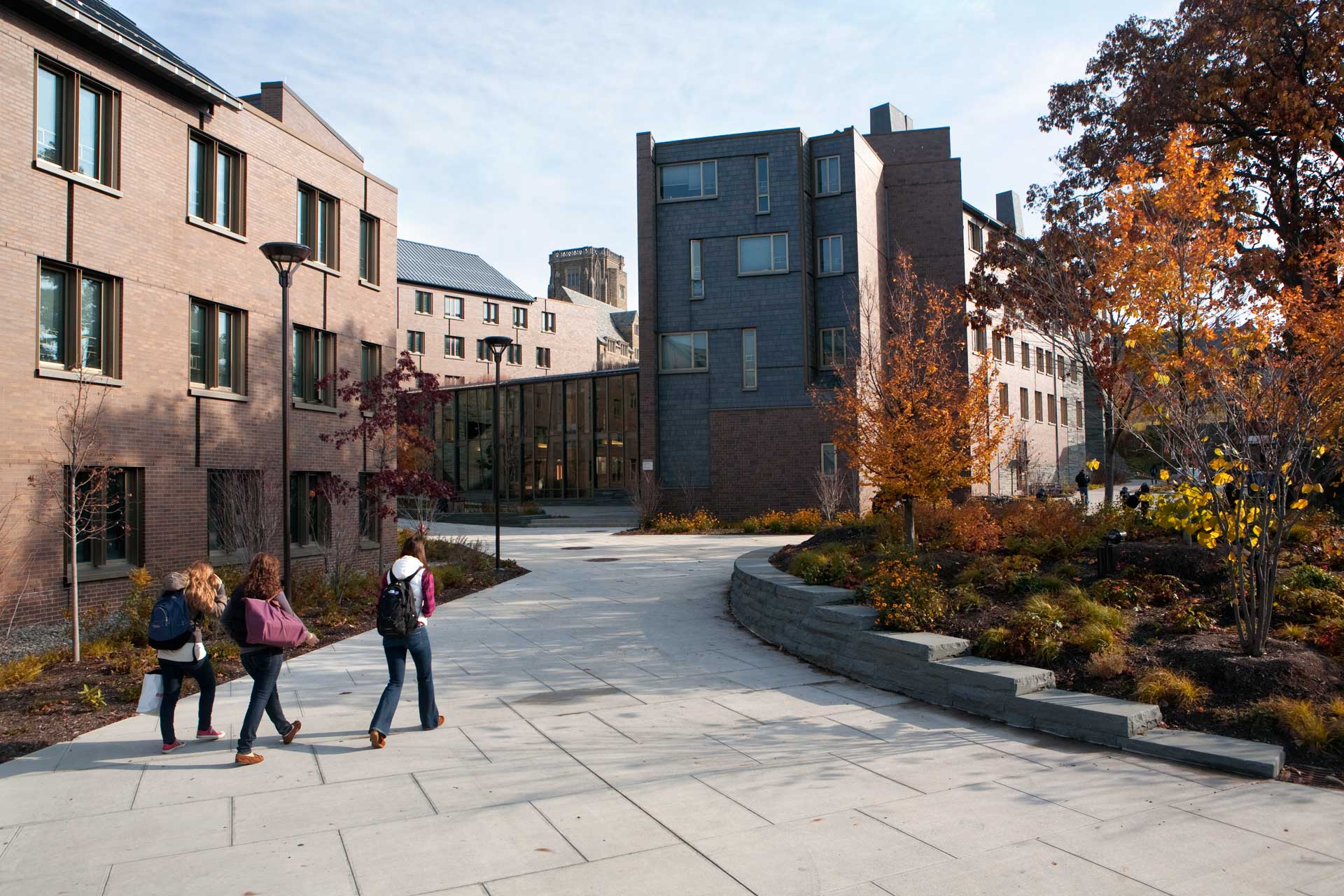
three students carrying bags walking across west campus


Cornell's Residential Experience 

Cornell's commitment to residential education dates back to its earliest days, beginning with Morrill Hall in 1868 and evolving over more than 150 years into a comprehensive residential system that integrates housing, community, and learning. Over the past decade, Cornell has made significant investments in residential infrastructure, policies, and programming.  

Now we are taking the next  steps in this evolution: examining what makes a residential experience meaningful and ensuring it consistently delivers on our commitment to student success across all campus living options.Shape 

Building on Our Foundation 

Cornell's residential evolution has accelerated significantly since 2016, with major initiatives including: 

  • Completed the North Campus Residential Expansion adding over 2,000 new beds
  • Implemented a residency requirement for first- and second-year students, and expanded dining program options to strengthen community and support our newest Cornelians
  • Renovated Balch Hall and prioritized other building enhancements
  • Enhanced faculty engagement through our Faculty in Residence and Learn Where You Live programs 

These investments in physical spaces, programmatic offerings, and policies created the foundation. Now we're focusing on defining and strengthening the community and personal development aspects of residential life. 

Why This Work Matters Now 

We recognize that Cornell's variety of housing options strengthens the overall student experience by providing multiple pathways for learning, growth, and community connection. We're focused on better communicating how these residential experiences enhance students' academic journey and personal development, while ensuring fundamental outcomes are consistent across all residential communities. 

Our Approach 

We're continuing our collaborative approach to residential planning through a comprehensive, multi-phase process. In recent years, we've engaged extensively with students, staff, and faculty to understand what matters most in residential experiences.  

Definition of Residential Experience

Definition of Residential Experience 2025-26 (PDF Download)

Belonging & Community

  • Build meaningful connections through shared experiences with peers, staff, and faculty
  • Encourage self-awareness by exploring how personal histories shape individual belief and relationships
  • Foster inclusive connections across diverse identities, values, and worldviews
  • Promote open, respectful communication within 1:1 interactions and across groups
  • Strengthen interpersonal skills and develop authentic relationships with diverse others
  • Foster relationships that provide acceptance, sense of value, inclusion, and care to drive sense of belonging and connection

Learning & Discovery

  • Develop life skills and intellectual discovery by living in a diverse environment
  • Explore learning across contexts- through formal and informal interactions with peers, faculty, and staff
  • Make connections across disciplines, cultures, beliefs to challenge and expand knowledge
  • Reflect on new and lived experiences to gain new perspectives and deepen understanding
  • Explore new ideas with curiosity, openness, and a willingness to grow and question among a community of learners

Agency & Independence

  • Develop independence by setting goals, managing responsibilities, and navigating new or changing circumstances
  • Build experience and confidence in making thoughtful decisions, solving problems, and balancing priorities
  • Understanding and taking ownership of possible choices and outcomes considering impacts on self, others, and the community
  • Learn life skills and self-advocacy to navigate conflict and change
  • Grow through challenge and reflection in a safe, supportive environment that encourages risk taking and accountability

Well-being

  • Recognize and practice self-care strategies that support physical, mental, and emotional health
  • Learn and apply skills for resilience including developing healthy relationships, managing stress, adapting to change, and navigating roadblocks in order to thrive
  • Utilize residential spaces to build sustainable healthy habits relative to sleeping, eating, and socializing
  • Foster healthy relationships in a supportive community where students, staff, and faculty feel seen, safe, and connected
  • Make thoughtful choices to manage time effectively to align daily actions with personal goals and needs

Equitable Experience

  • Strive to deliver equitable access to resources, spaces, and opportunities so that all students can fully engage, live, learn, and succeed
  • Design and adapt spaces that allow students to choose residential experiences based on their needs and aspirations, not limited by building conditions, amenities, or physical layouts
  • Foster a culture of fairness where experiential goals are shared but the intensity and implementation can vary based on the unique contexts of each residential community

Safety & Comfort

  • Maintain safe, clean, reliable, and comfortable facilities that meet or exceed university standards to promote students’ well-being and peace of mind
  • Foster a secure and supportive environment that promotes student success through appropriate staffing, policies, and responsive systems
  • Create a welcoming atmosphere where safety, comfort, and belonging are prioritized
  • Support students’ holistic needs by providing spaces and services that promote foundational needs and allow for growth, learning, and connection

Central to this work has been student input, ensuring their voices and experiences directly shape how we understand and improve residential life at Cornell. This process builds on our tradition of community engagement to ensure our residential offerings serve student development and success. 

What's Happening Now (Spring 2025) 

Currently, we're focused on gathering comprehensive feedback from our residential communities. This includes understanding student experiences across the housing portfolio and working with students and other stakeholders  to better articulate what each residential option offers. 

Supporting Student Selections 

Cornell offers an exceptional variety of residential experiences—from traditional residence halls to specialized program houses, Greek communities, cooperatives, and West Campus houses. Our goal is to help students understand these options more clearly, enabling them to make housing decisions based on their personal goals, interests, and values. 


Stay Informed

Check this page often for updates on progress, key milestones, and how this work will impact current and future students. Or, contact us directly at Residential-Experience@cornell.edu.

See what's happened recently

There's always a construction or renovation project going on at Cornell, and Housing & Residential Life has its fair share of new facilities and improvements to existing facilities in the works.

Check out these recent, ongoing, and upcoming projects.

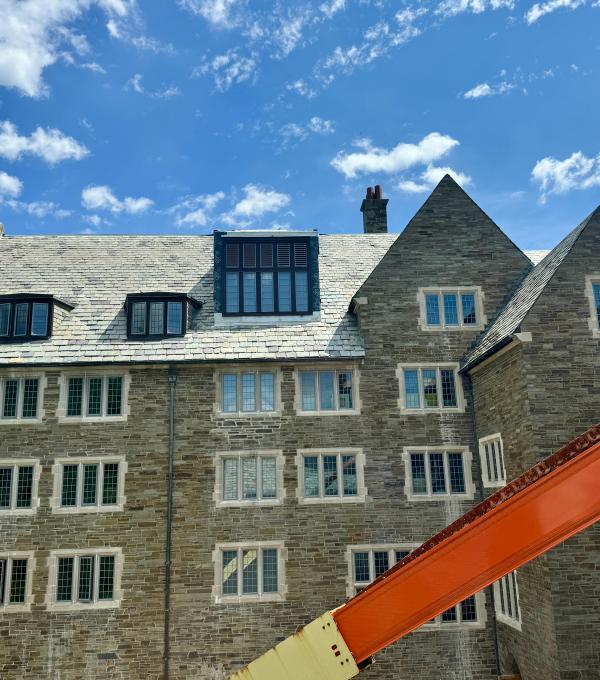
An old-fashioned stone college building with slate tiled roof, and a crane arm extending across the view

A peek inside Balch Hall as renovations near completion

When Balch Hall opened in 1929, it joined Risley Hall on the still relatively new North Campus, as a residence hall intended for the increasing population of female students at Cornell University. This summer, we're nearing completion on the building's first significant construction project since the summer of 2000, and first overall renovation in six decades.

Aerial Photo of North Campus

Residential Improvement Project Underway

Housing and Residential Life and Student and Campus Life Facilities have several improvements within Cornell’s residence halls underway to ensure students have the best residential experience possible.

Contact: Residential-Experience@cornell.edu