
Celebrating and supporting Cornell's first-generation college student community
By Laura Gallup
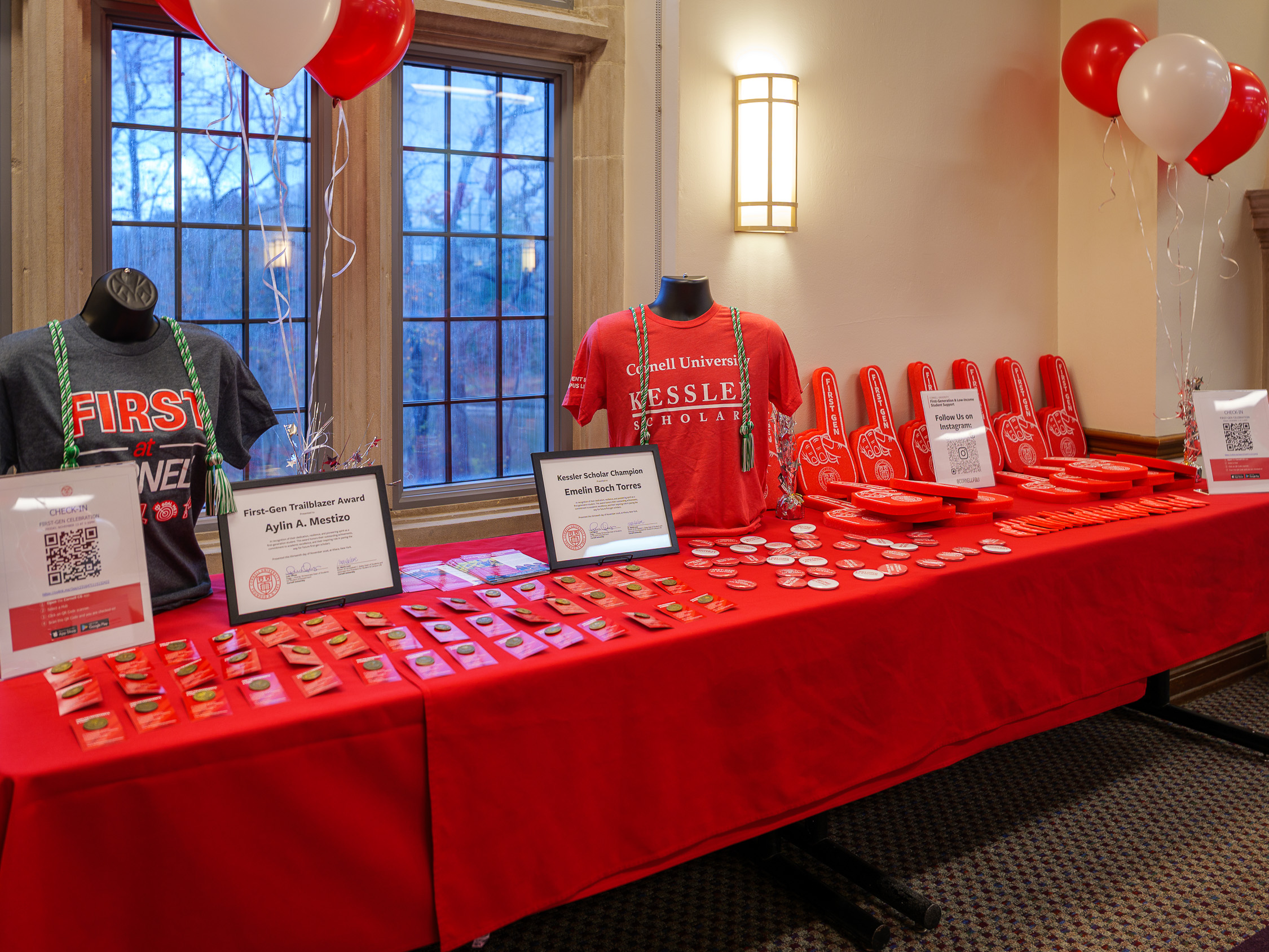
First-Generation College Celebration, observed annually on Nov. 8, recognizes the experiences and contributions of first-generation college students. Last week, Cornell joined colleges and universities across the country in honoring its first-generation students and recognizing the many ways they enrich campus life.
First-generation students represent 12.8% of Cornell's Class of 2030. Through initiatives such as First at Cornell, the Kessler Scholars Program and year-round programming through the First-Generation & Low-Income (FGLI) Student Support office, Cornell works to ensure these students have the resources and opportunities to thrive throughout their college journeys.
First-Generation College Celebration Week: Nov. 9-13, 2026
At Cornell, FGLI Student Support partnered with units across campus to host five events throughout the week, bringing the campus community together for opportunities to connect and celebrate first-generation student achievements. Events featured staff and faculty from the Cornell Career Network, Office of Academic Diversity Initiatives (OADI), Cornell Library, Cornell University College of Agriculture and Life Sciences and the ILR School.
The week highlighted the pride first-generation students take in their identities while creating meaningful opportunities for connection, conversation and recognition. A signature event was the First-Gen Town Hall, where students had the opportunity to share their personal experiences, perspectives, and aspirations.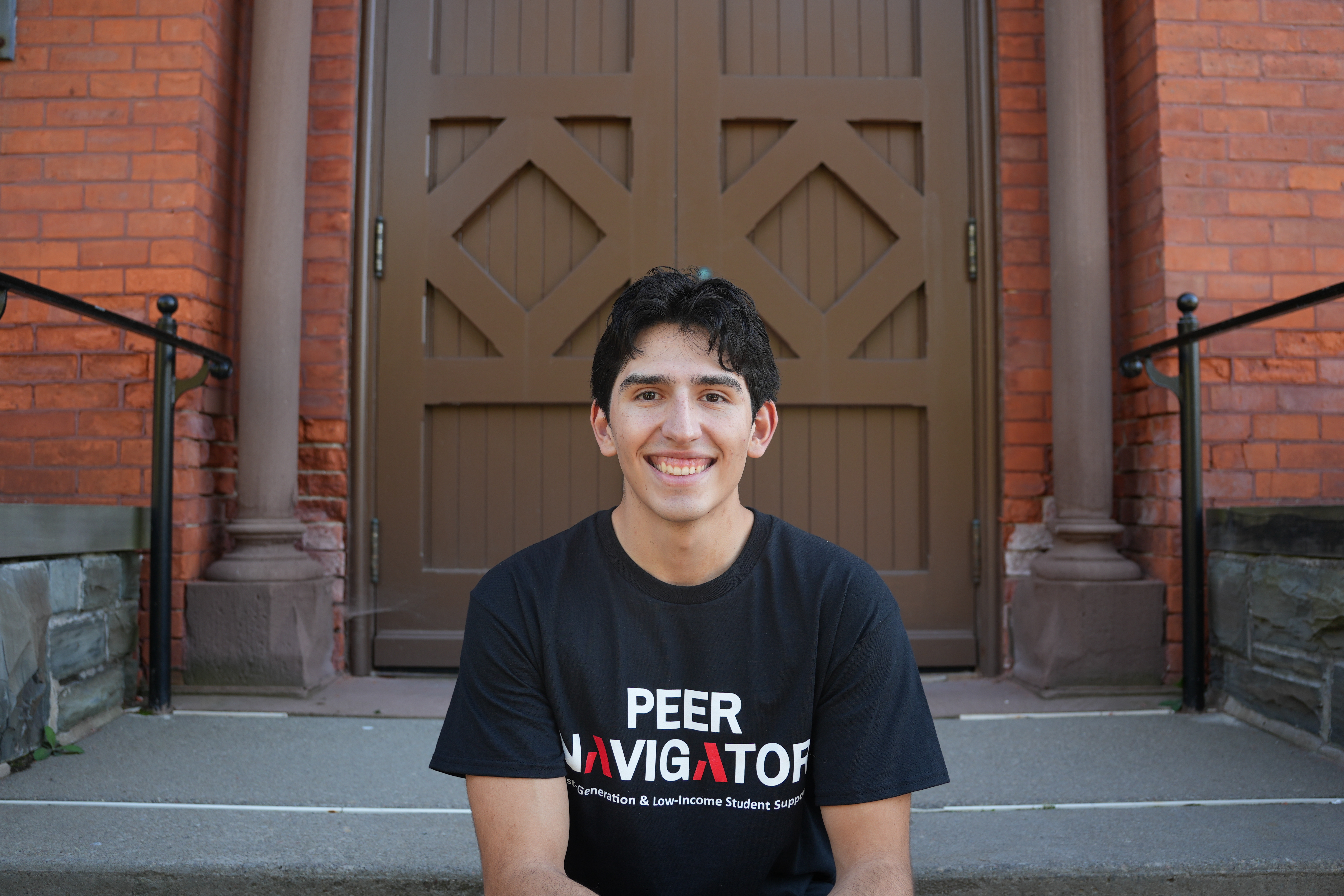
“Their voices remind us that celebrating first-generation students also means listening to them and ensuring their perspectives help shape the future of Cornell,” said Luis Olivas, Peggy J. Koenig ’78 Associate Dean of Students for Student Empowerment and Director of First-Generation and Low-Income Student Support.
“My hope is that every student walked away from this week knowing that their story matters, their contributions strengthen our university, and they belong here,” he said.
For Santiago Alonso '27, an economics major (A&S), building connections is an important part of the college experience, especially for first-gen students. Currently working as a paid student ‘Peer Navigator’ with FGLI Student Support, Alonso spent the last several years helping develop and execute programming that supports and engages first-generation students.
“As a Peer Navigator with FGLI, I have learned about the various resources Cornell has to offer and the importance of building relationships and staying connected with people during your time at Cornell,” Alonso said. “My favorite part of being a peer navigator is programming and attending the events at the FGLI Center that allow us to offer students an escape from their daily routine.”
Alonso said empathy and a desire to continually improve are among the strengths he brings to his time on campus, and specifically to his work supporting fellow first-generation students.
“It is hard being first-gen,” Alonso said. “Learning how to navigate academia on your own can feel nearly impossible, and that is why we're here.”
FGLI Student Support also introduced new initiatives this year to help address students’ everyday needs. Launched in November in partnership with the Gender Equity Resource Center, Big Red Basics provides free personal hygiene and wellness essentials through a self-service cabinet on the second floor of Willard Straight Hall. The office also launched the Grocery Run Club, which provides transportation to local grocery stores, helping students overcome transportation barriers and shop for food that meets their dietary needs and preferences. Together, these initiatives complement existing campus resources and reflect the office’s commitment to supporting students’ well-being beyond the classroom.
FGLI Student Support works throughout the year to promote awareness, identity exploration, community engagement and self-advocacy among students who identify with the first-generation and/or low-income experience, as well as students with non-citizen statuses. As part of the Center for Student Equity, Empowerment, and Belonging, FGLI Student Support helps students navigate university systems, access resources and overcome institutional barriers.
At Cornell, a first-generation college student is defined as someone whose parents or legal guardians have not earned a four-year college degree, whether in the United States or abroad.
Observed nationwide, First-Generation College Celebration brings together colleges and universities, corporations, government leaders, nonprofits and K-12 schools to recognize and uplift first-generation students. Nov. 8 commemorates the signing of the Higher Education Act of 1965 by President Lyndon B. Johnson. The landmark legislation established federal financial aid programs that expanded access to higher education, including initiatives that continue to support first-generation and low-income students today.
First at Cornell: Aug. 13-18, 2026
For some first-generation students, the transition to college began even before the first day of classes this year. Through First at Cornell (FAC), an annual donor-supported pre-orientation program, 40 incoming students and their families arrived on campus the weekend before Move-In to connect with the Cornell community, build on their strengths and explore the resources, relationships and opportunities available on campus.
Participants took part in workshops, campus tours, field trips and community-building activities. The program also offered dedicated sessions for parents and family members, recognizing that the transition to college is an important experience for families as well as students.
Since launching in 2024, FAC has grown each year, welcoming more participants and expanding its programming to meet the needs of incoming students and their families. Students who previously participated in the program have also returned as ambassadors, helping guide incoming students through their first days at Cornell.
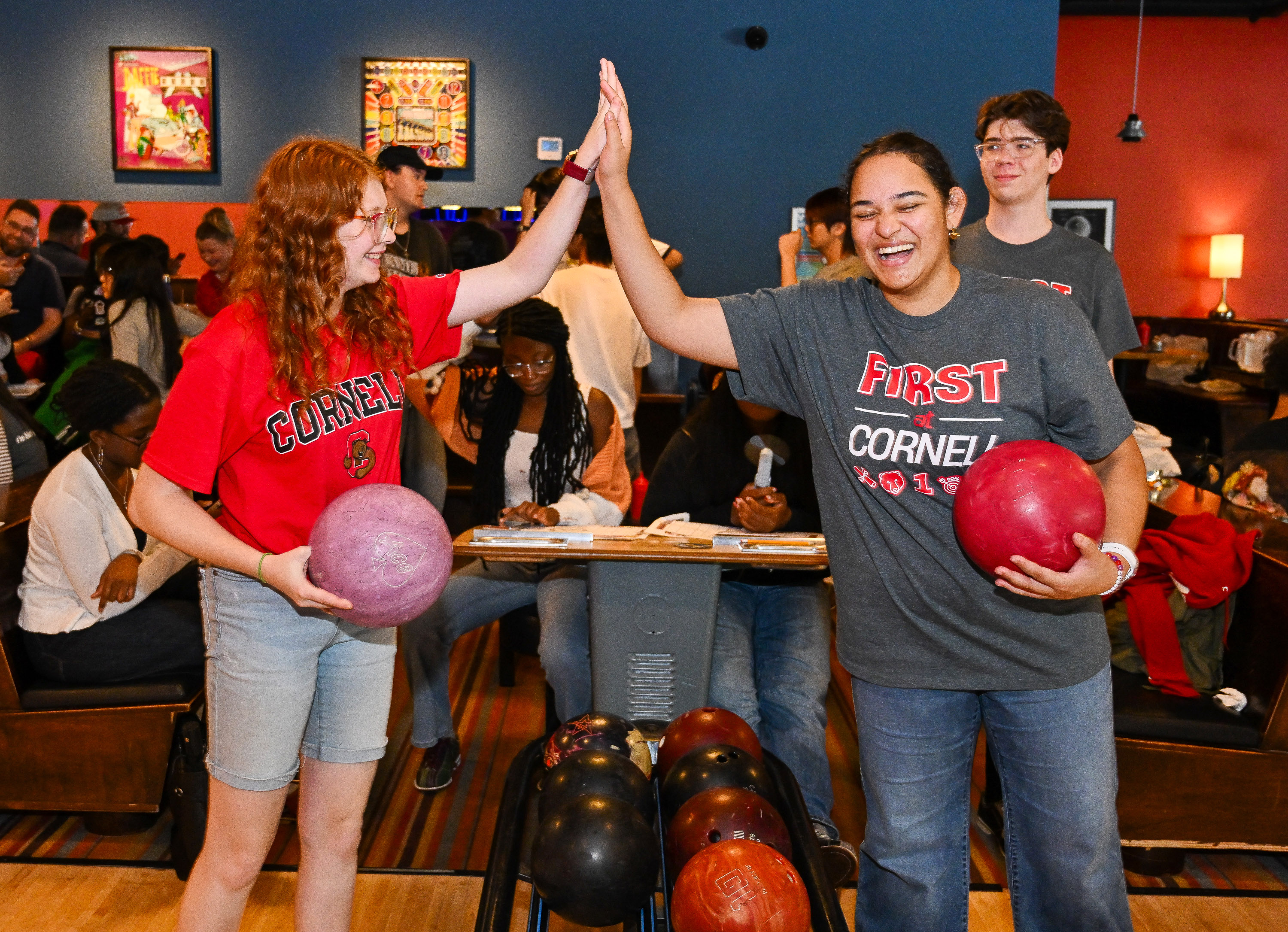
For Tristin Secor '29, a food science major (CALS,) participating in FAC as an incoming student helped make the transition to Cornell more manageable.
“The best part of the program as an incoming student was being able to get used to the campus and college life before Orientation Week when everyone else came to campus,” Secor said. “I was already really stressed about getting used to such a big school and making such a switch in my life, so being able to do that with the personalized support of the program and without too many people on campus was very helpful.”
Secor returned as an ambassador the following year to help incoming students navigate some of the same challenges she experienced.
“There were so many things that I wish I knew or did differently looking back at the beginning of my freshman year, so I wanted to make sure that other kids who may be able to use that information were able to get it,” she said.
Secor said her experience with FAC also helped her become a resource for friends and other students navigating campus, from finding support offices to figuring out where to go with questions. Drawing on her own experience as a first-generation student, she recognizes that students arrive at college with diverse backgrounds, perspectives, and lived experiences that shape how they navigate higher education and engage with the opportunities available to them.
Kessler Scholars Program Challenge Coin Ceremony: Sept. 15, 2026
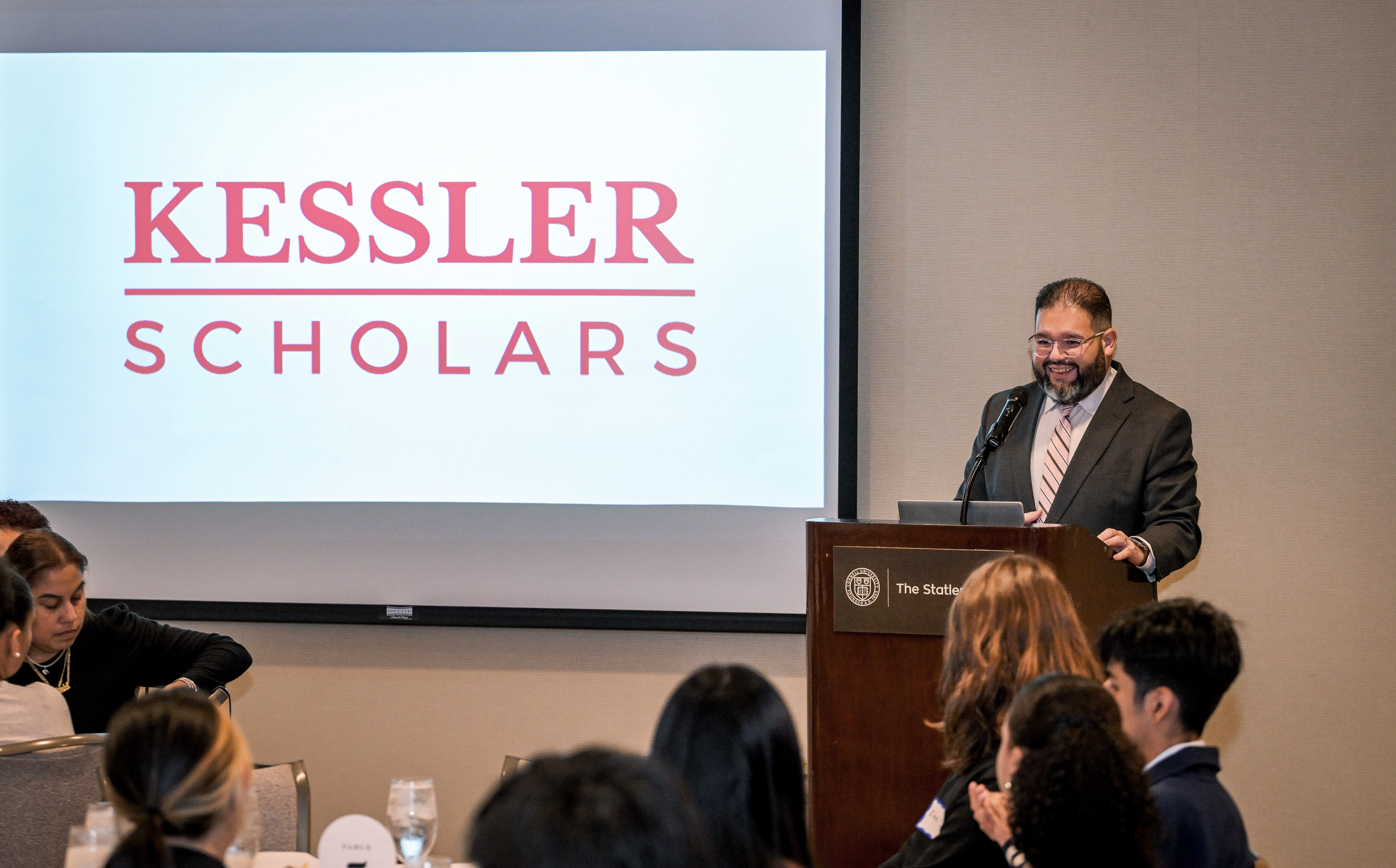
Earlier this semester, a new cohort of 20 Cornell first-year students officially joined the Kessler Scholars Program at its annual Challenge Coin Ceremony on Sept. 15. The tradition welcomes students into a supportive community and marks the beginning of their journey as Kessler Scholars at Cornell.
Part of a national network spanning 15 colleges and universities, the Kessler Scholars Program supports first-generation students throughout their college experience through mentorship, peer connections and access to resources. At Cornell, the program is overseen by FGLI Student Support and provides students with a community they can rely on as they navigate academic and personal opportunities.
For Maria Reyes '28, an animal science major (CALS), the Kessler Scholars community has been an important source of support throughout her time at Cornell.
“Kessler has always been a major pillar of support for me. Connecting with advisors and FGLI staff at Barnes Hall has provided me with so many resources and a comfortable community to fall back on,” Reyes said. “I have always been incredibly grateful for the welcoming environment that the Kessler community has provided me.”
The Challenge Coin Ceremony marks the beginning of that experience for new scholars, welcoming them into a community centered on mentorship, encouragement and belonging that continues throughout their time at Cornell and beyond.
First-generation students share their experiences
Beyond the programs and events that bring the community together, first-generation students have individual experiences and perspectives that shape their time at Cornell. From pursuing international research and professional opportunities to creating new campus initiatives and connecting with fellow students across the country, these students demonstrate the many ways first-generation students contribute to the university community.
Here, several Cornell students share their experiences, the opportunities they've pursued and the support they've found along the way.
Jason Allen Ramos Severino '28 (Civil Engineering, Engineering)
Hometown: Santo Domingo, Dominican Republic
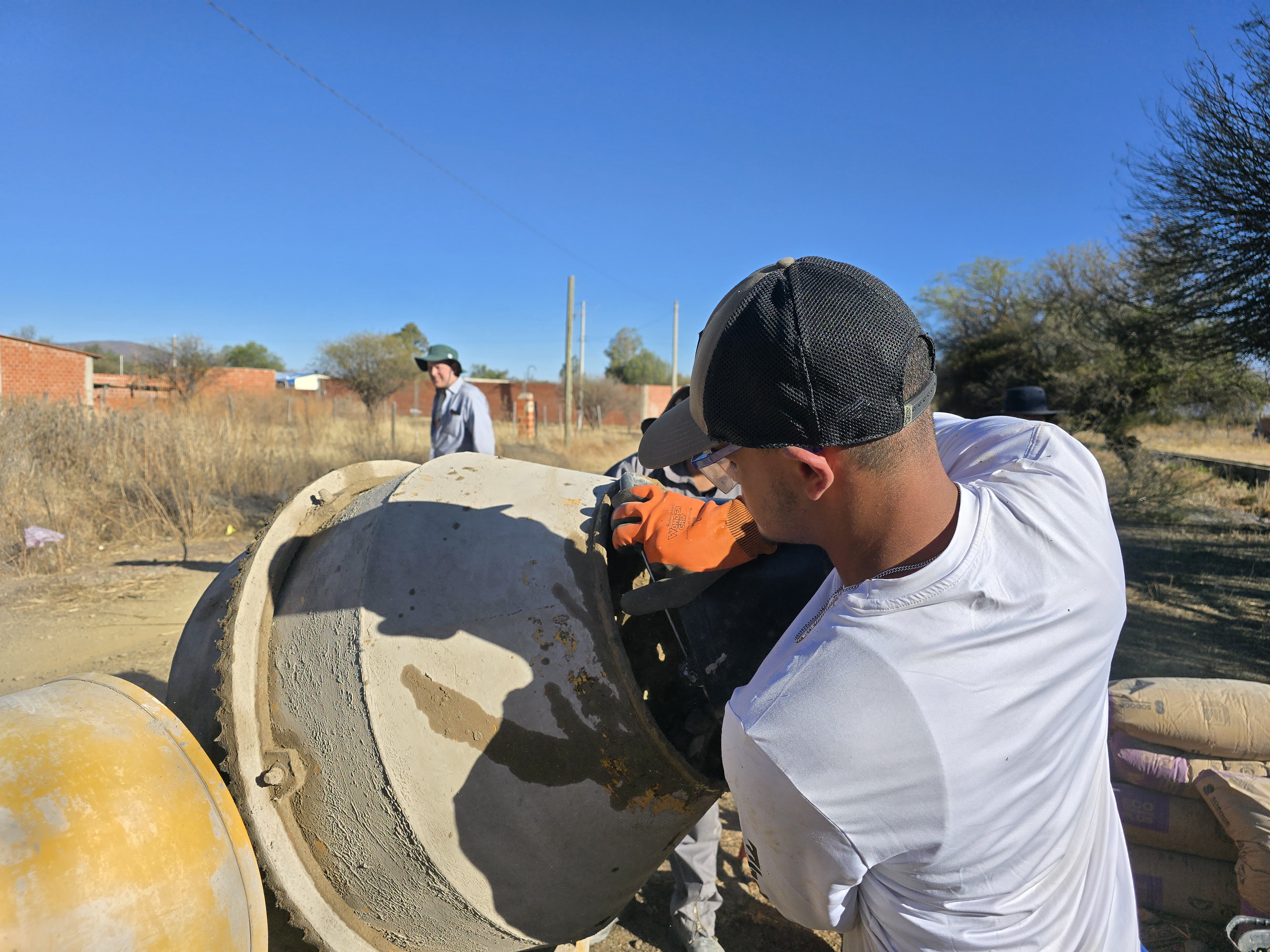 Severino, a Kessler Scholar, spent part of last summer in Barrio San Cristóbal, Bolivia, with the International Team of Cornell's Engineers Without Borders chapter. The team worked alongside Engineers in Action and community members to construct a public bathroom designed during the academic year, part of a larger plan to implement a sanitary sewer system for the rural village. The system will mitigate wastewater contamination and ensure safe, reliable water access year-round.
As an international team lead, Severino helped manage and supervise construction and used his Spanish-speaking skills to conduct interviews and lead meetings with community members.
Funding from the Jerome & Mary Goldman Student Success Fund - which is dedicated to FGLI work - helped cover essential supplies and protective equipment for the trip, including steel-toed boots, gloves, mosquito repellent and other items needed to work safely in the field.
“Without the funds, I would have had to decide between my family's finances and my health and safety,” Severino said.
One of his favorite parts of the experience was building relationships with the community, including playing soccer with residents and contractors. After construction was complete, the team presented the finished bathroom to community members and answered their questions.
“Seeing the kids playing around the bathroom showed that the structure we built wasn't just a bathroom but it was a step towards gathering the neighborhood and creating community,” he said.
Severino said adaptability is a strength he brings as a first-generation student, particularly when navigating unfamiliar environments and connecting with people from different backgrounds. At Cornell, he has found support through dropping by the FGLI lounge space in Barnes Hall and by being part of the Kessler Scholars community.
Sarah Lin '29 (Statistical Science, A&S)
Hometown: New York, NY
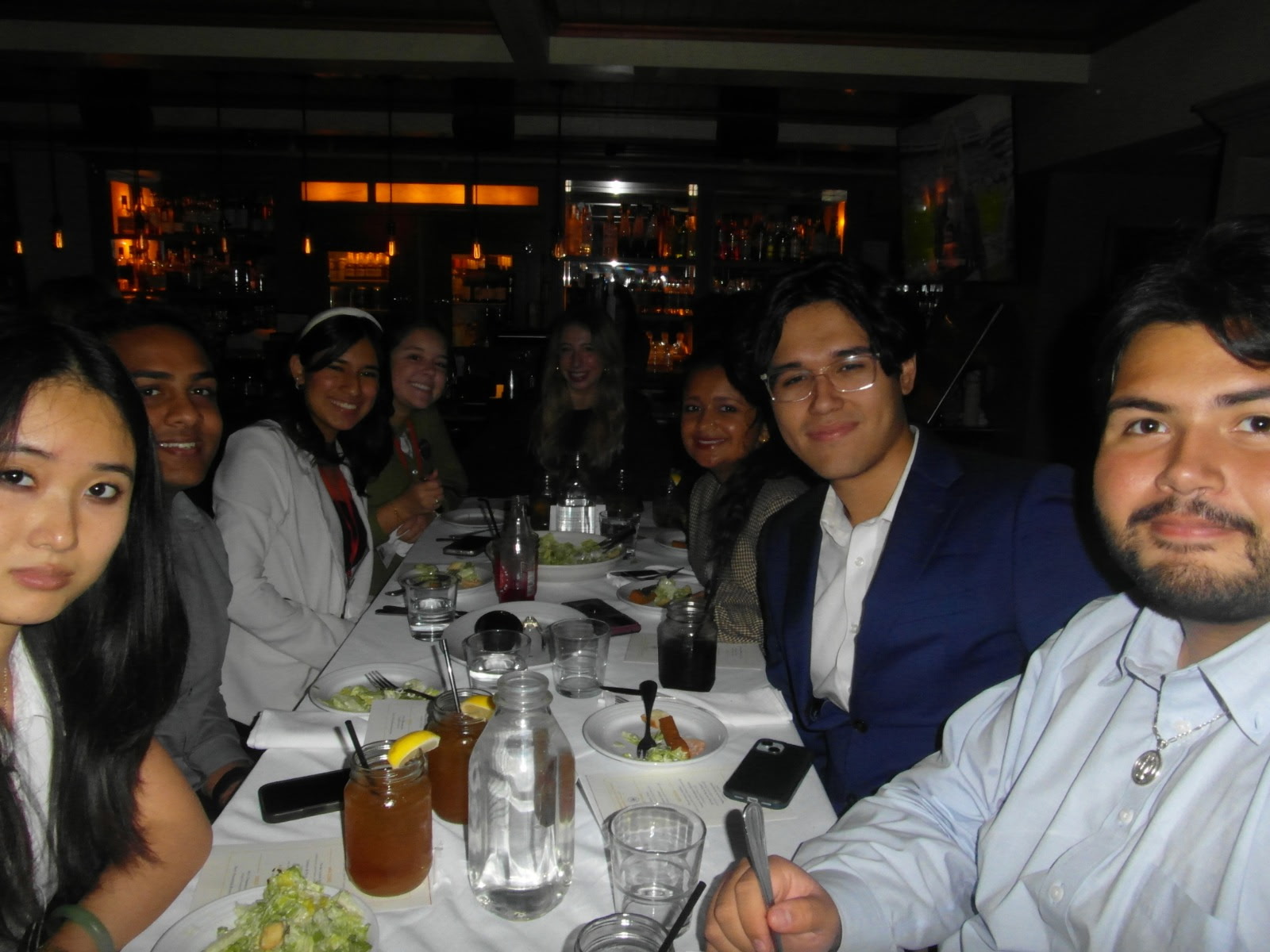
A Kessler Scholar, Lin recently represented Cornell at the First-Gen Summit, a conference at Harvard University that brought together students from universities across the country to discuss their shared and diverse experiences as first-generation college students.
Participants attended information sessions and presentations from guest speakers on topics including graduate school and doctoral programs, helping make information about higher education more accessible.
One of Lin's favorite parts of the summit was meeting fellow Kessler Scholars from other institutions through information sessions, dinner and exploring Boston.
Lin said resourcefulness and resilience are strengths she has developed as a first-generation student while learning to navigate unfamiliar academic and professional environments, seeking opportunities and advocating for herself.
“I bring this same mindset to my interactions with other students, striving to create a welcoming environment where others feel comfortable asking for help and exploring new opportunities,” Lin said. “Being first-generation has taught me not only how to navigate unfamiliar spaces, but also how to help make those spaces more accessible for others.”
Maria Reyes '28 (Animal Science, CALS)
Hometown: Brooklyn, NY
Reyes spent last summer interning at the Conservation Center for Manatees of the Caribbean in Bayamón, Puerto Rico. She got hands-on experience caring for rehabilitated and resident marine animals, including pelicans, turtles, manatees and birds.
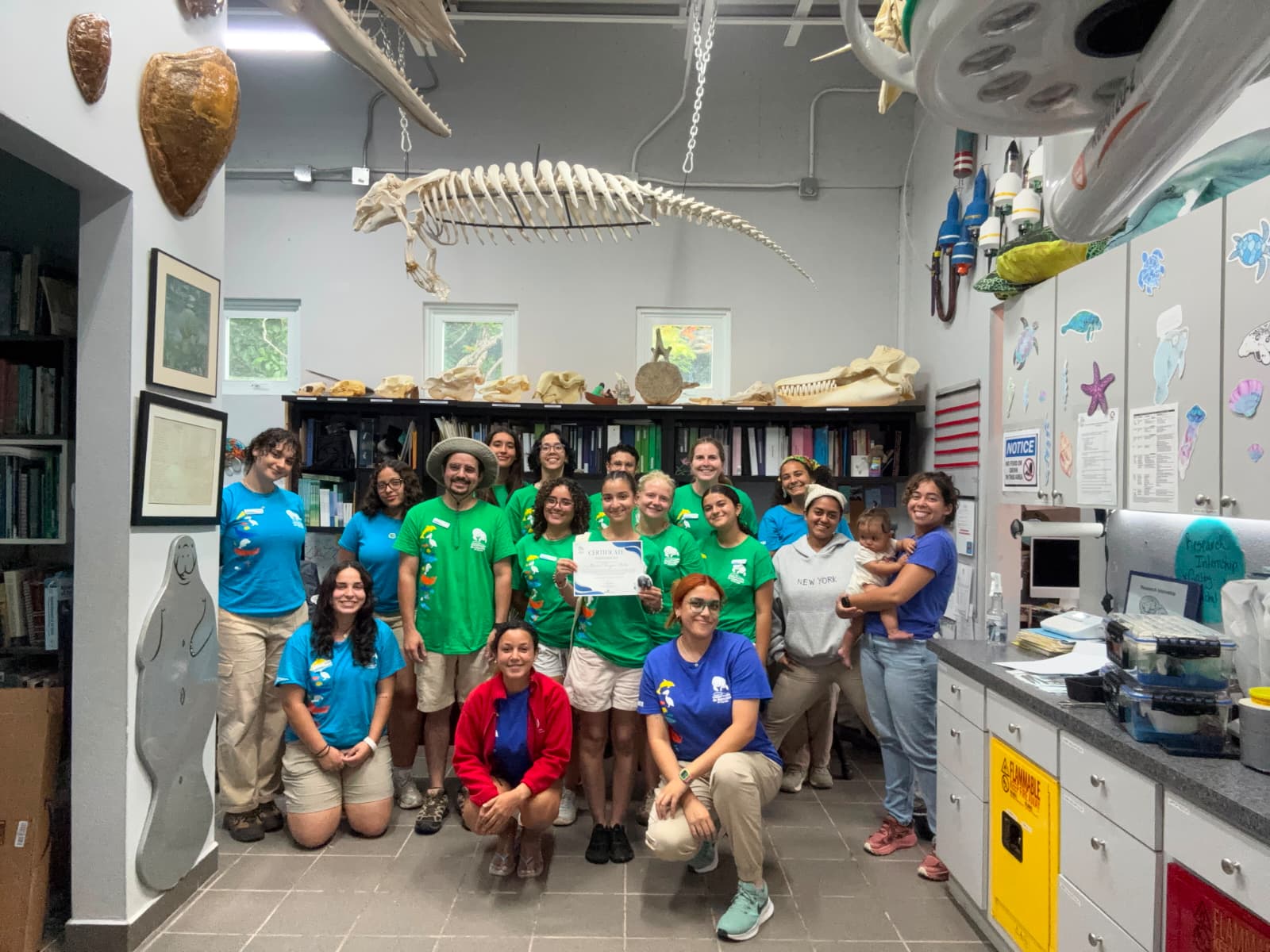
A grant from the Professor Lee Joy of Study Student Assistance Fund, which is housed in FGLI Student Support, helped cover program costs required for the internship program.
Reyes said one of the most meaningful parts of the experience was learning about the sanctity of conservation in a Latin-majority space.
“I was able to consistently switch between languages on a daily basis and connect with my Latin background while working to sustain animal welfare, which I am deeply passionate about.”
Reyes said her experience also strengthened her adaptability, allowing her to apply skills developed while navigating Cornell as a first-generation student to a new environment much farther from home.
Tivanie Singhroy '30 (Biology and Society, A&S)
Hometown: Long Island, NY
Singhroy participated in First at Cornell this summer before beginning her first semester. She shared that the program provided opportunities to build meaningful relationships with students who shared similar experiences, while strengthening her confidence and expanding her knowledge of the resources and opportunities available to her at Cornell.
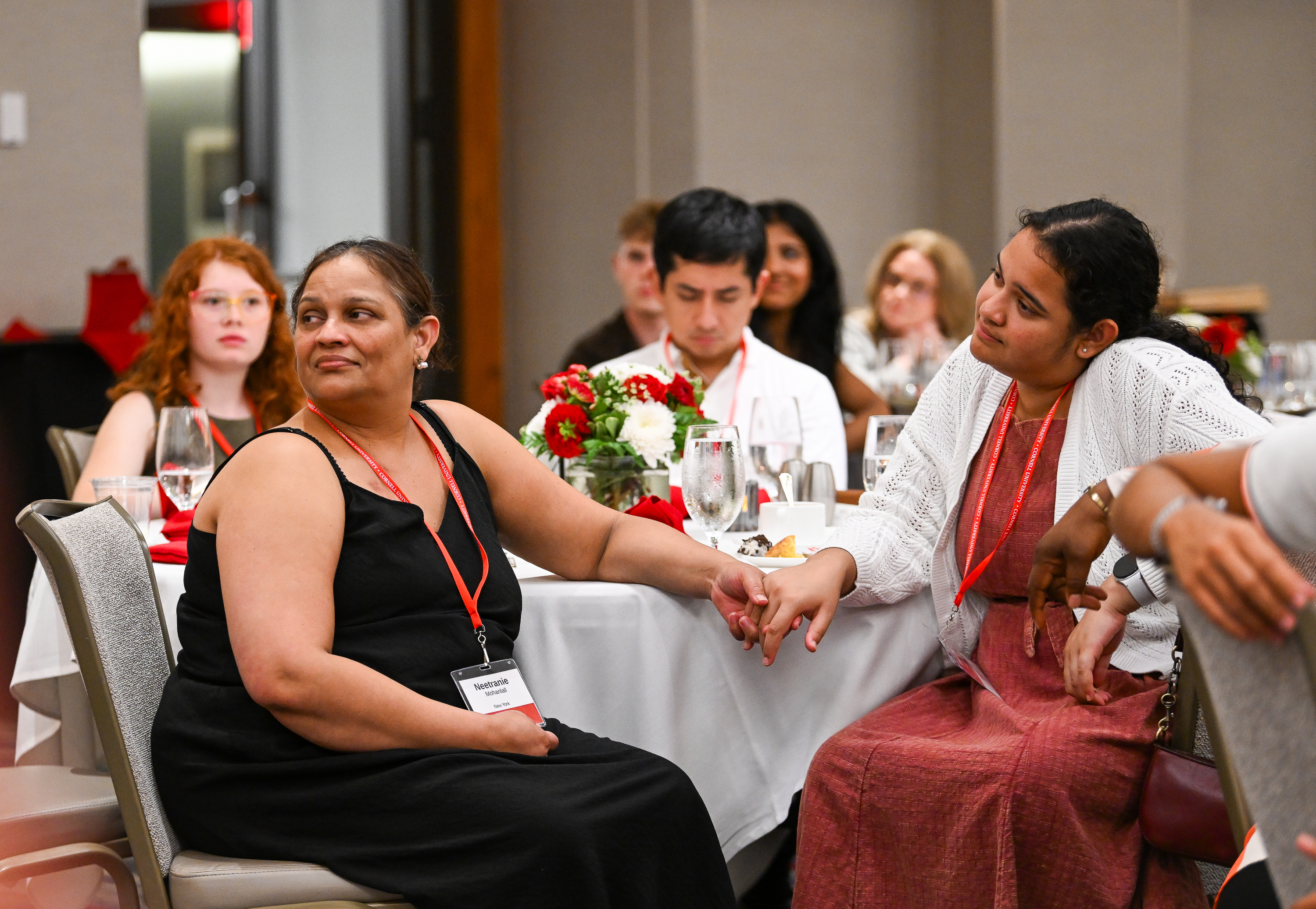
“It was intimidating to go to a prestigious school where it seemed like everyone already understood how everything worked — everyone except me,” Singhroy said. “But not only did First at Cornell connect me with students that felt the same way, but it also gave us the tools we needed to start to bridge that gap.”
Since arriving at Cornell, Singhroy has worked with FGLI Student Support to launch the Grocery Run Club, a new program designed to help students access grocery stores and supermarkets in the Ithaca area. The initiative serves both incoming students who may be unfamiliar with the area and returning students who no longer have free bus passes.
Singhroy said it has been empowering to help create something from scratch, while giving back to the community that supported her transition to Cornell.
She said that she has found a sense of belonging at Barnes Hall, her ‘home away from home’ on campus, where FGLI Student Support provides a place to study, connect with staff and meet other students.
GraceAnn Conn '30 (Public Policy, Brooks)
Hometown: Van Buren, Arkansas
GraceAnn participated in First at Cornell to meet other students and become familiar with campus before the academic year began.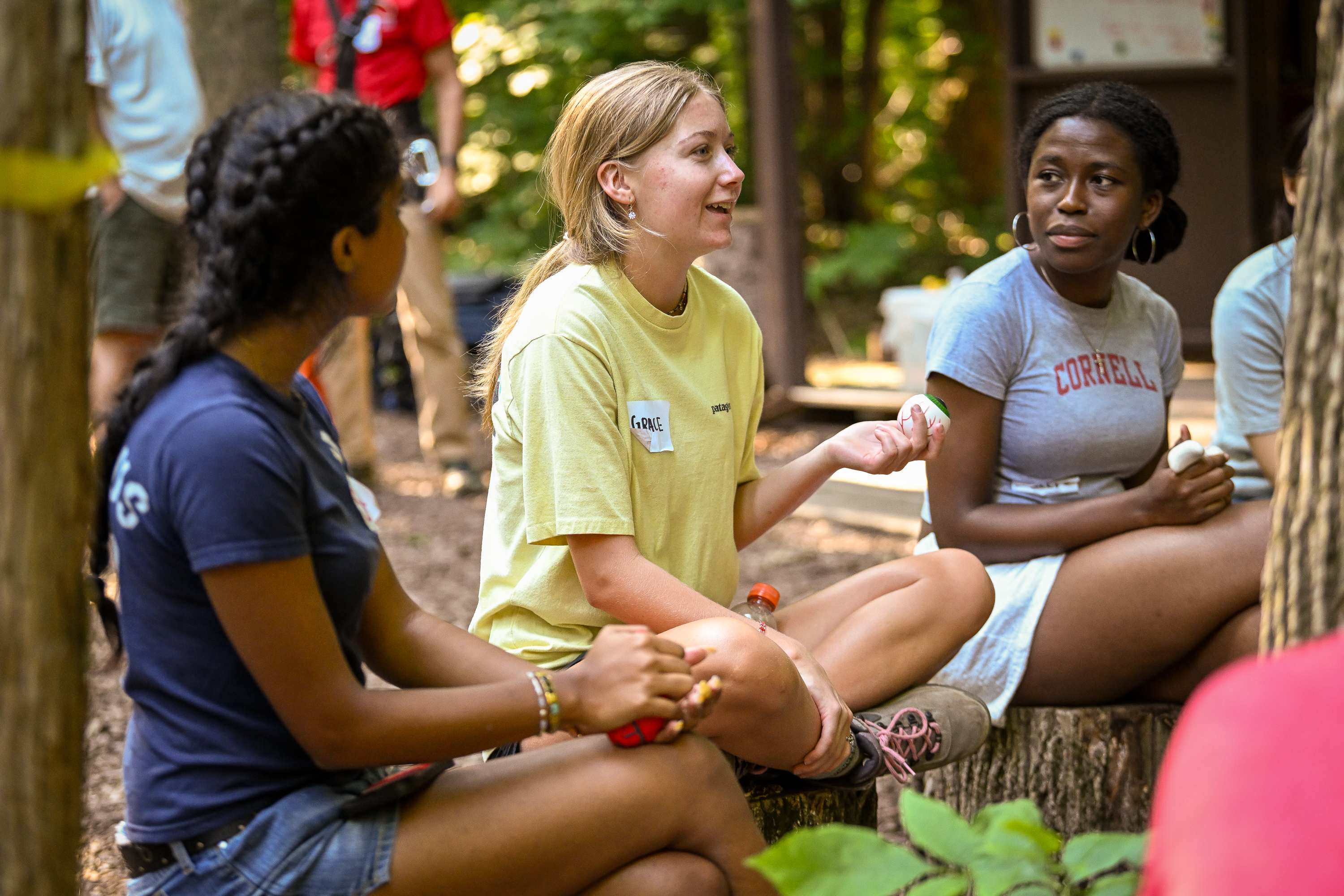
Since arriving at Cornell, she has secured a job at Cornell Cinema and become involved with the university's chapter of Phi Alpha Delta, a pre-law professional fraternity open to students across all majors. As the philanthropy chair for New Member Education, she successfully organized a bake sale to raise more than $200 for the Legal Aid Society.
FGLI Student Support has also become a familiar place to spend time between classes, attend events and connect with staff and other students.
GraceAnn said determination and optimism are strengths she brings to her Cornell experience, helping her navigate the ups and downs of college.