
$250,000 gift expands summer opportunities for Cornell undergraduates
By Ben Badua, Student and Campus Life
A $250,000 gift from Bill Dake ’57 and Susan Law Dake will expand access to Cornell Career Network’s Summer Experience Grant (SEG) program, which provides financial support for Cornell undergraduate students to complete unpaid or minimally paid career-related experiences.
“Summer internships provide students with important life and career experiences at a time when they are not engaged with traditional course work,” said the Dakes. “Many students need to make money during the summer while many organizations are not able to pay. It is our wish to increase the number and effectiveness of internships by meeting both the student and organization needs.”
The SEG program receives funding from a collection of sources, including the Cornell Student Assembly. In 2019, donors from the College of Arts & Sciences (A&S) established a dedicated SEG fund to specifically support undergraduate A&S students. Last year, Cornell Career Network distributed $1,050,183 to 325 awardees, with just under $700,000 going to A&S students from A&S donor funds. The Dake’s gift will almost double the available pool of funds the that can be allocated to non-A&S undergraduates, increasing the number of awards distributed across the university’s schools and colleges.
“Over the summer, Cornell students sometimes have to decide between moving forward with an experience that will help with their career and taking a job that will help with expenses,” said Krista Saleet, who helps administer SEG as the director of the Office of National Fellowships. “Thanks to the Dakes’ generous gift, we can expand the number of opportunities available to Cornell students through a competitive program that will build career readiness and put them in the best position to succeed.”
Capped at $6,000 per student, SEG awards support students’ living expenses, transportation and travel. Due to a large number of qualified applicants, the program places a high priority on supporting students with financial need, which includes undergraduates from low-income backgrounds, and those experiencing a financial hardship, unique family situation or a significant change in financial circumstances.
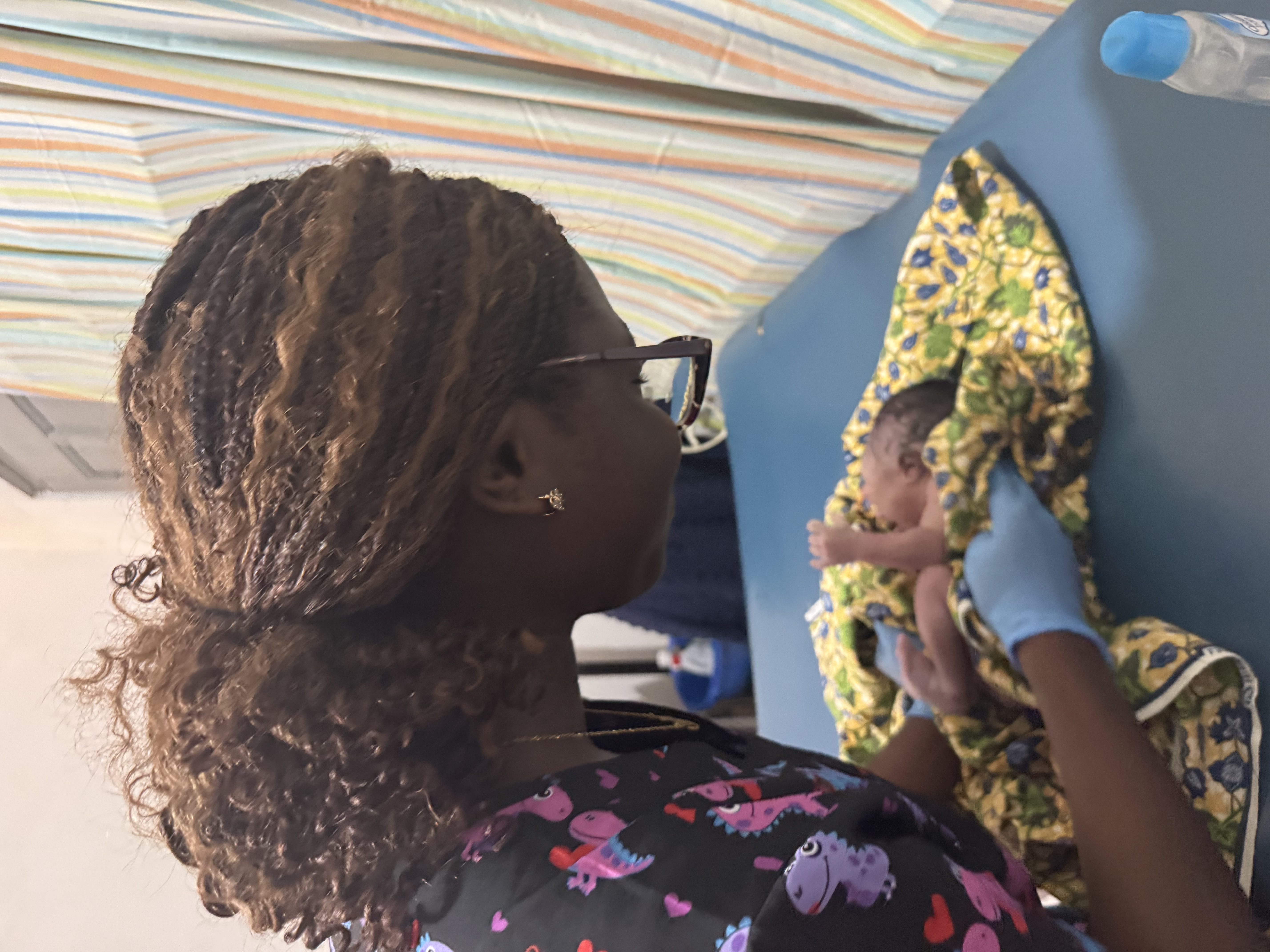
“As a first-generation, low-income student, an experience like this honestly never felt like something that was in the cards for me because my family simply did not have the means to make something like this possible on our own,” said Shawntel Odanga ’27, a biological sciences major in the College of Agriculture and Life Sciences, who spent the summer supporting healthcare initiatives as a medical research intern for GapNet in Accra, Ghana. “My career goal is to become a physician while also pursuing work in global health, specifically in Sub-Saharan Africa. This summer experience in Ghana truly solidified that goal and gave me a clear picture of the kind of physician I hope to become someday.”
Leaving the United States and navigating a country on her own for the first time, Odanga took on a range of responsibilities centered on supporting healthcare delivery in a hospital setting. In addition to supporting day-to-day clinical operations like patient intakes and screenings, she also assisted in non-clinical tasks such as observing patient interactions and the administrative aspects of healthcare.
“Working at Lekma Hospital and Ghana’s pediatric and maternity wards showed me what I hope medicine will look like for me,” said Odanga. “Care that starts with listening and understanding a patient's context before deciding how to best help. That shift in how I think about care is what convinced me I want a career that combines clinical medicine with global health.”
Read more about several other Cornellians’ summer grant experiences below:
Pius Amartey ’27 (Biomedical Engineering, College of Engineering)
Research Intern, Cornell University
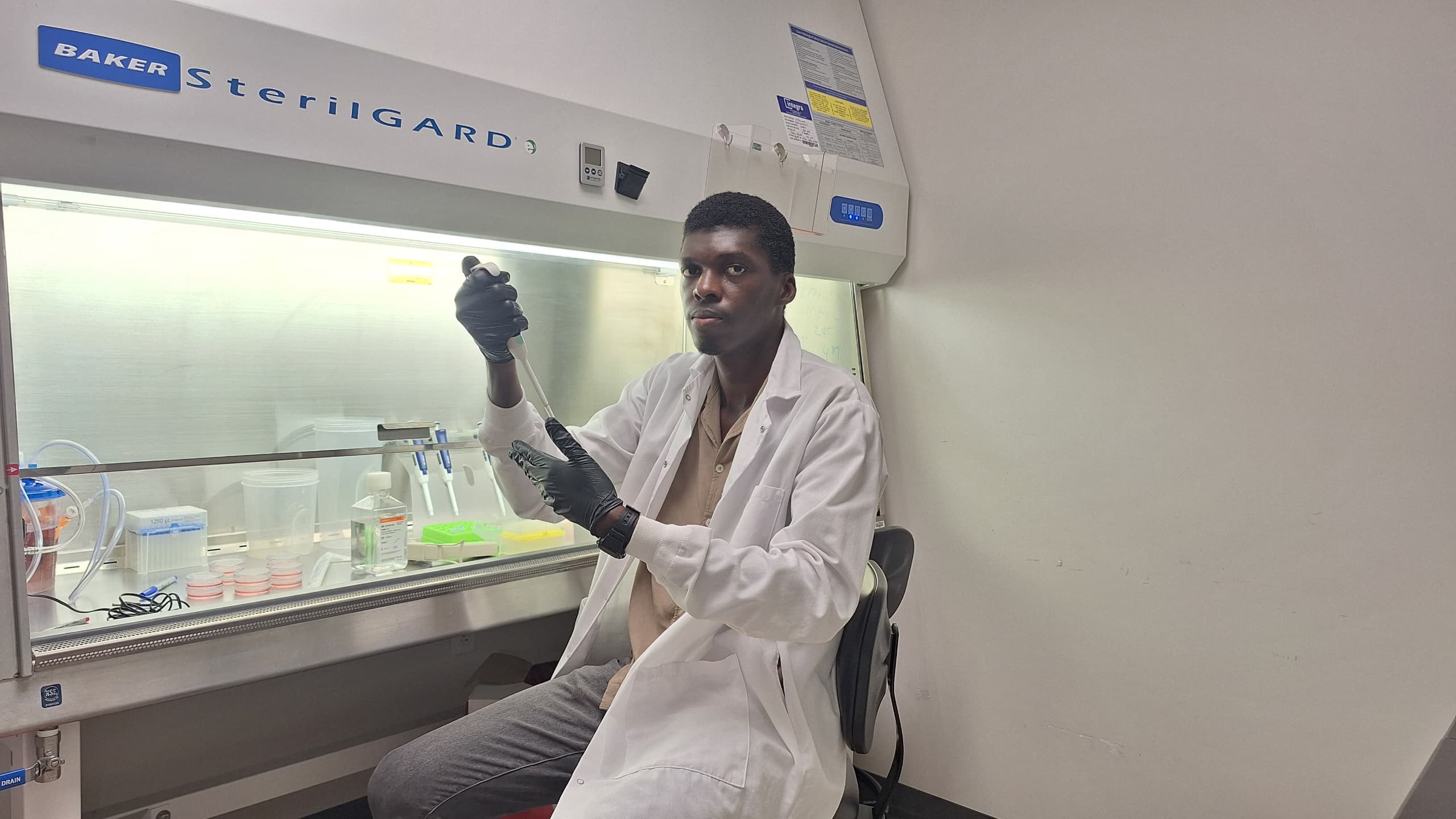
When Pius Amartey ’27 arrived on the Hill as an international student from Ghana, he “carried great goals and aspirations for how I wanted to contribute to my society.” After a summer at Cornell spent leading the integration of wet-lab experimentation and computational analysis to investigate immune cell cytotoxicity in lung and breast cancer co-cultures, he’s one step closer to realizing that dream.
“My career goal is to bridge the gap between high-level biotechnological research and clinical practice, specifically by making advanced diagnostics affordable for low-income populations,” said Amartey. “Engaging in research over the summer reaffirmed not only my interest in pursuing a PhD after my undergraduate degree, but also clarified the kind of place I want to pursue it in.”
In addition to broadening his technical expertise in the lab setting, Amartey credits his summer experience with helping him further develop his communication, problem-solving and leadership skills.
“Over the course of my undergraduate research journey, most of the projects I worked on were pre-defined and already had a sense of direction,” said Amartey. “But the project I decided to work on this summer was new to the lab, and one I had to take the lead on, so I could not default to people for answers or suggestions. Instead I had to come up with my own and when things didn’t work out I had to figure out where they fell short and how to recover.”
Abigail Hecht ’28 (Industrial and Labor Relations, ILR School)
Outreach Intern, Office of US Senator Kirsten Gillibrand
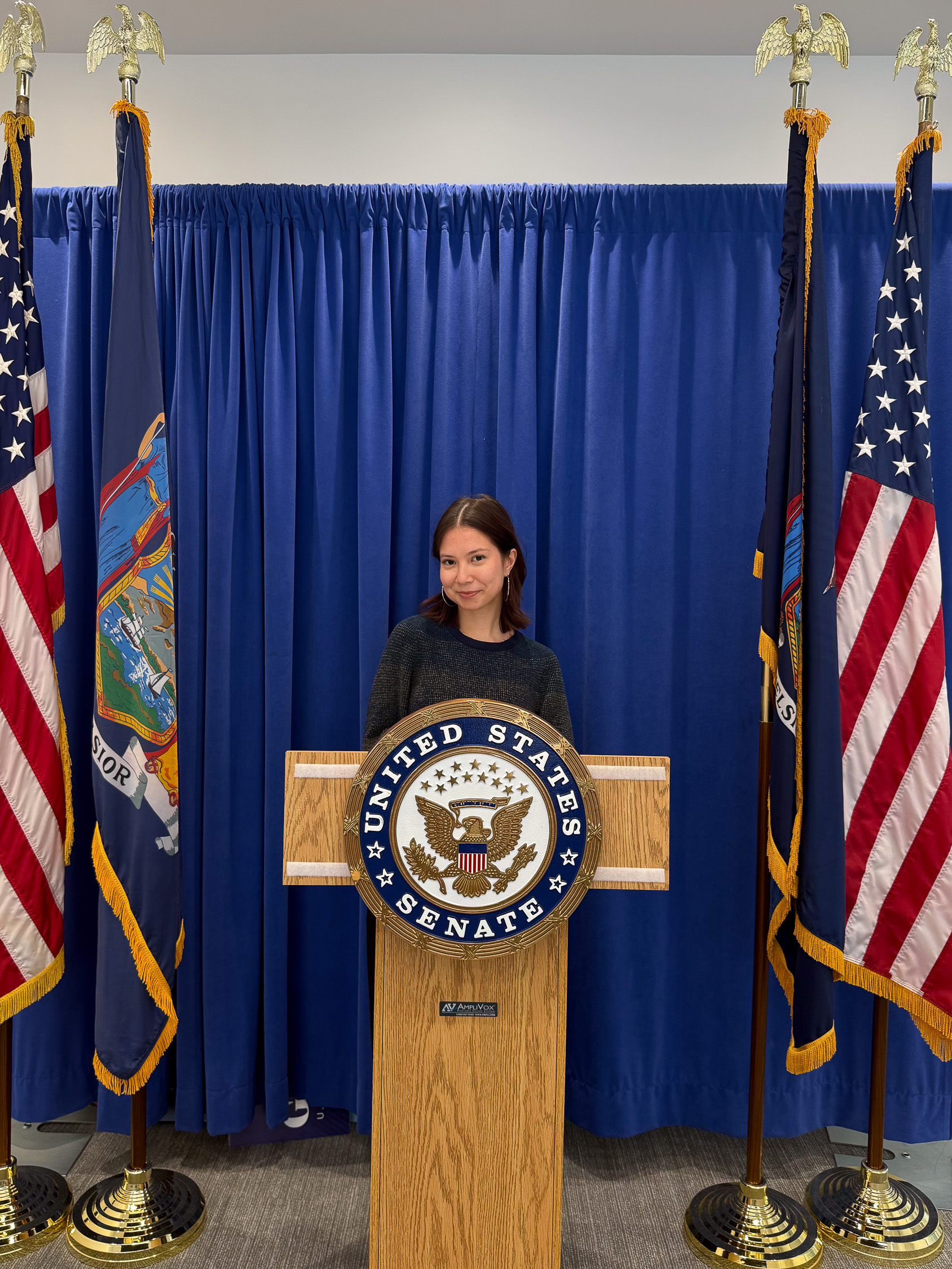
As an outreach intern for U.S. Senator Kirsten Gillibrand’s New York City office, Abigail Hecht ’28, “gained firsthand experience in public service, advocacy, and constituent outreach.”
Spending the summer speaking directly with constituents and researching issues that directly impact New Yorkers, Hecht drafted correspondence to federal agencies while working alongside community organizations. As part of her summer experience, she also developed a policy memo on succession planning for small businesses.
While Hecht’s SEG validated her desire to pursue a career that combined her interests in research and public service, it also made her a, “more confident writer, speaker and vessel for change,” who now understands, “how research and communication can be used to advocate for communities.”
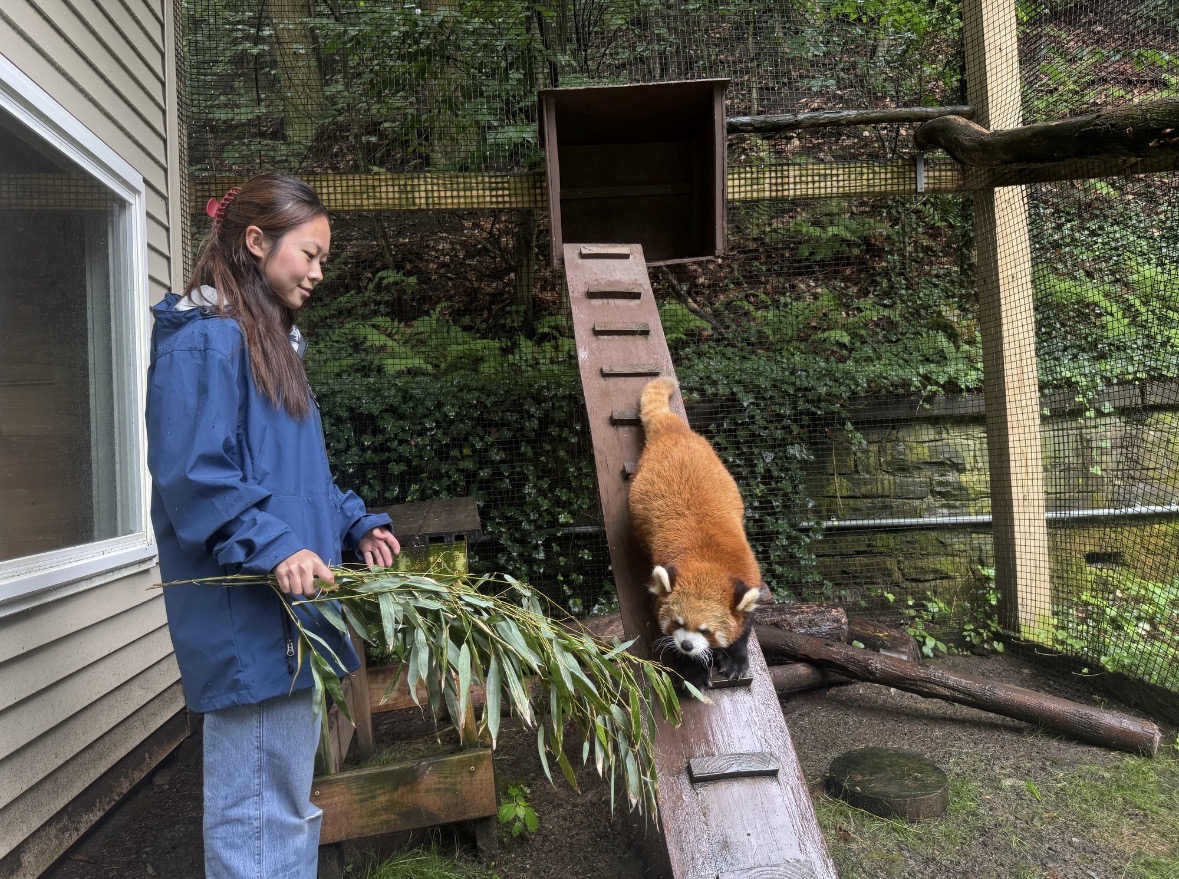
Rachel Hu ’27 (Animal Science, CALS)
Animal Care Intern, Ross Park Zoo
Rachel Hu ’27 has always been at ease around animals. Navigating people, she says, has been more complicated.
“I’ve always been a more introverted person, especially when I’m in a new environment by myself,” said Hu when reflecting on the relationships she built with zookeepers at Ross Park. “I'm proud that I pushed myself outside my comfort zone. I learned that building relationships doesn't have to be complicated, it can start with something as simple as asking a question or showing genuine interest in someone's story.”
Forming connections with staff helped Hu gain experience with a variety of species and care techniques while rotating through different sections at the zoo. Over the course of the summer, she assisted with daily animal husbandry tasks, including preparing and distributing diets, cleaning and maintaining enclosures, and supporting general animal care routines.
“Being able to communicate and connect with coworkers and clients is an important part of being a veterinarian,” said Hu. “And it's a skill I'll continue to build throughout my education and future career.”
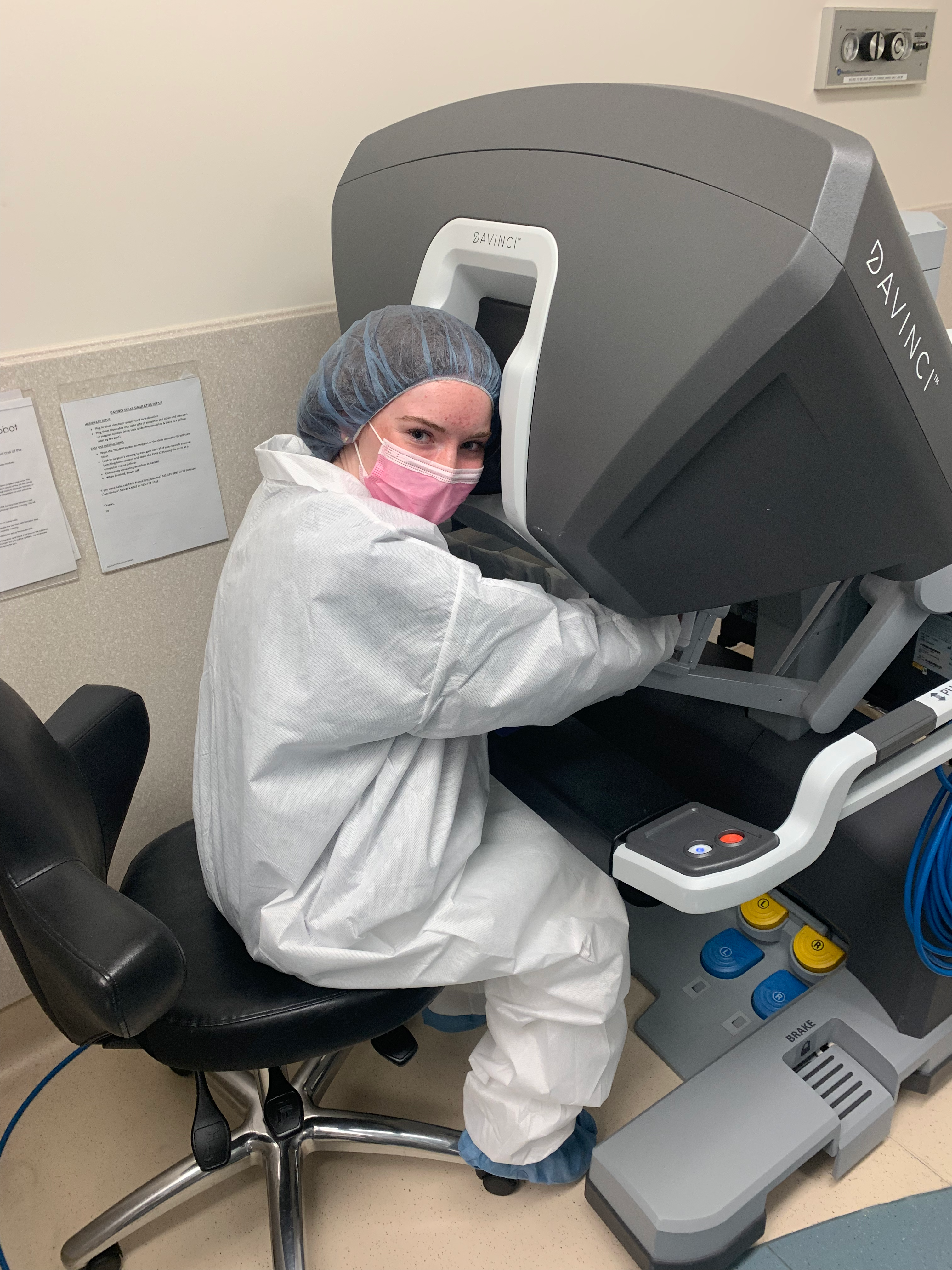
Tupelo Wright-Dykhouse (Biological Sciences, College of Arts & Sciences)
Research Assistant, University of Utah
Tupelo Wright-Dykhouse ’27 always wanted to work in a lab. This summer, he got his opportunity to apply classroom theory to a real-world setting as a research assistant for Dr. Matthew Mulvey, a professor in the School of Biological Sciences at the University of Utah.
Working with a team of graduate students over the course of eight weeks, Wright-Dykhouse supported projects tied to the study of pathogenic Escherichia coli (E.coli) strains, gaining valuable lab experience and learning biological experimental procedures, including PCR (polymerase chain reaction), microscopy, streak plating, fluorescence screening and antibiotic susceptibility testing.
“This internship helped me in my career aspirations, teamwork skills, and personal development. It was the first time I worked in a lab, and the first time I spent the summer away from home in a brand-new state for me,” said Wright-Dykhouse. “I learned various processes that scientists use to test novel hypotheses and uncover the biological processes behind diseases and I have become a more responsible person and a confident biology student, with an even stronger interest in microbiology.”
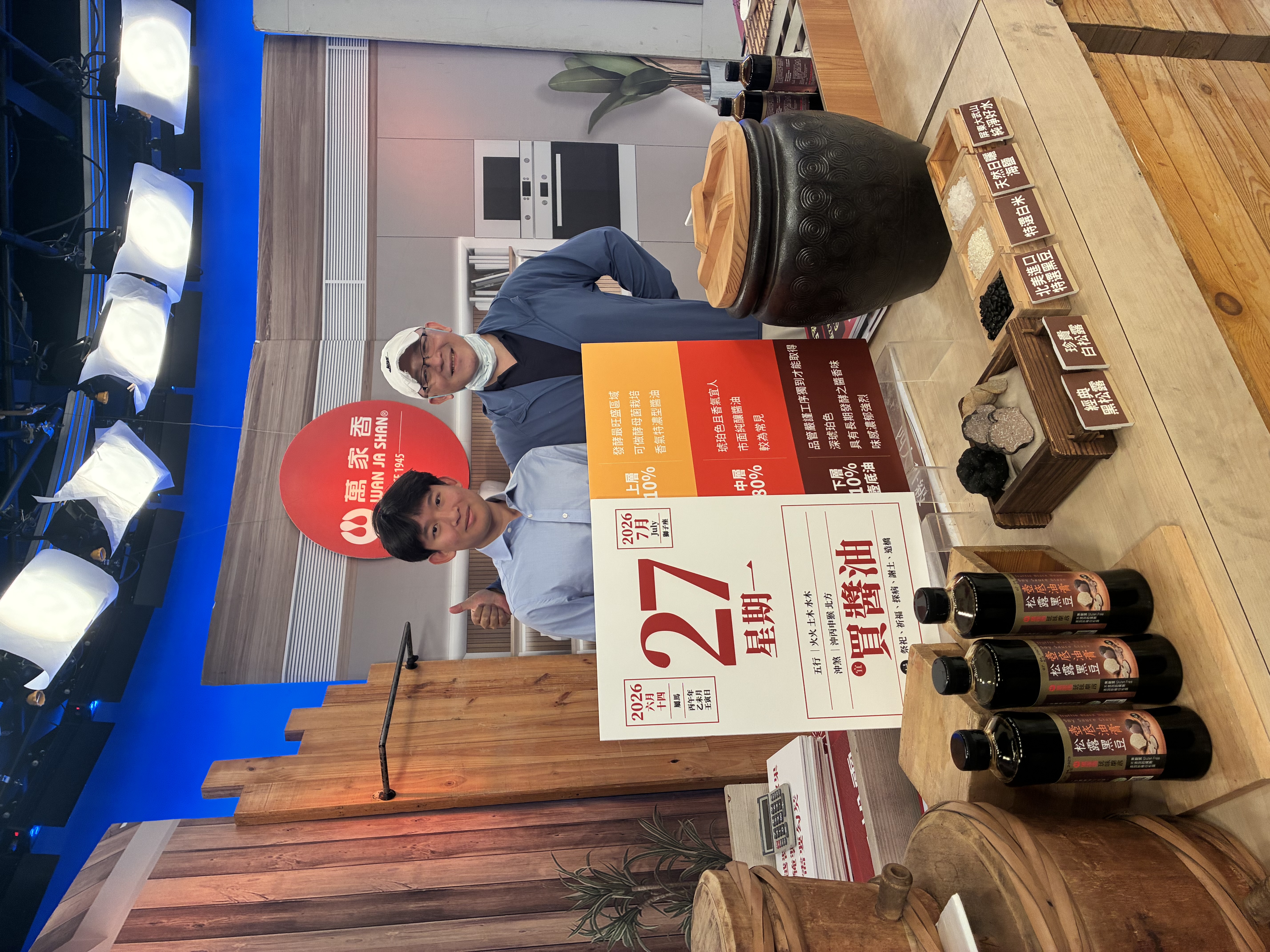
Evan Ye (Applied Economics and Management, Dyson School)
Intern, Wan Ja Shan Brewery
One of Evan Ye's ‘27 personal goals was to improve his Mandarin. As an intern with Wan Ja Shan Brewery in Taipai, Taiwan, he got his opportunity.
“Being in Asia, fully-immersed, was the best way I could have done it, but it went beyond language,” said Ye. “I want to do business in Asia one day and this summer showed me how much of that comes down to understanding customs and being comfortable in the culture. Business works differently depending where you are, and it’s not something you can pick up from a textbook.”
Over the course of the summer, Ye helped Wan Ja Shan with their digital marketing and e-commerce strategy, with a focus on growing their US presence. Working independently on a social media campaign targeting American consumers and helping to shift the company’s approach on Amazon, Ye polished his critical thinking skills while learning more about the interpersonal and relational side of business.
“The industry insight I gained was invaluable, but what I’ll carry with me the most is everything I learned about relationship-building,” said Ye. “I got comfortable operating in an unfamiliar setting and came to appreciate the cultural nuance that partnerships abroad require.”