
Adaptive Paddling
What Is an Adaptive Paddling?
Adaptive paddling makes kayaking, canoeing, and stand-up paddleboarding accessible for people with disabilities or limited mobility, opening the door to independent and rewarding outdoor experiences. Through supportive teaching techniques and adaptive equipment (such as specialized seating, paddle mounts, and stabilizing outriggers) participants can paddle with confidence and comfort. The focus is on enjoying time on the water, building independence, and experiencing the freedom and joy of being outdoors.
All COE Adaptive Paddling Equipment (featured below) is available for demonstrations, lessons, and use in our PE Classes.
COE Adaptive Paddle Equipment
Paddle Craft Stabilizer Floats
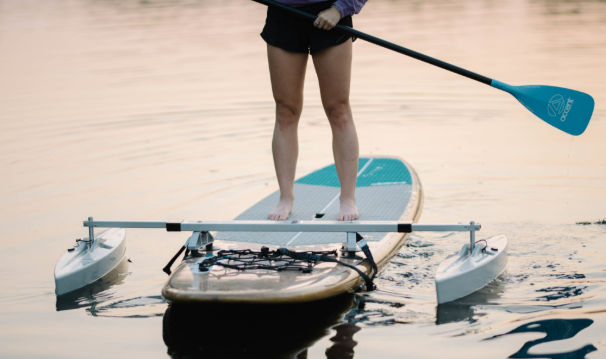
Made from durable, rotationally molded polyethylene plastic, these outriggers by Wave Armor add significant stability to your kayak or canoe, helping keep paddlers upright and safe. Universally designed and easy-to-use.
The center receiving arm is 40" wide and the side telescoping arms extend from 69" to 83" in length to fit a wide range of 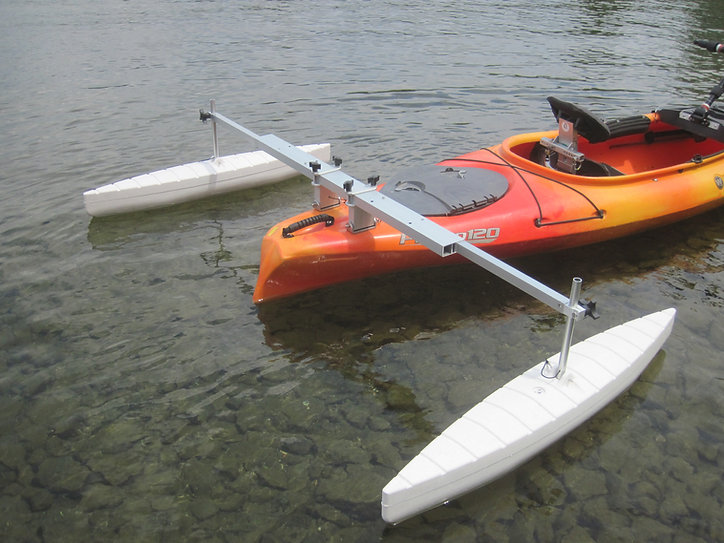 kayaks and canoes and SUPs. The hydrodynamic design of the 43" floats result in minimal drag through the water and excellent stability.
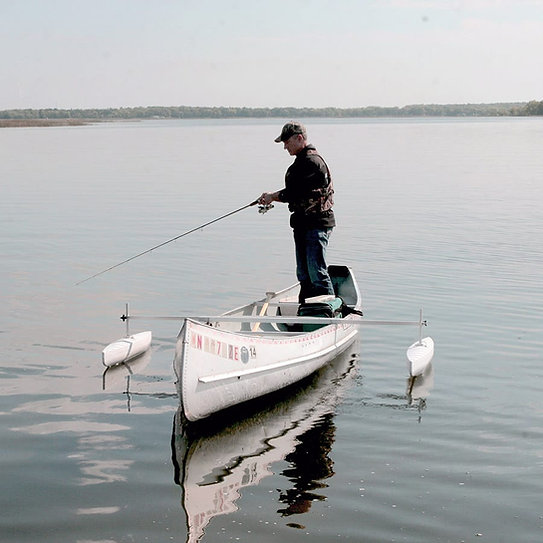 These are great for anyone who wants added stability, security and steadiness from their paddle craft
Versa Paddle System
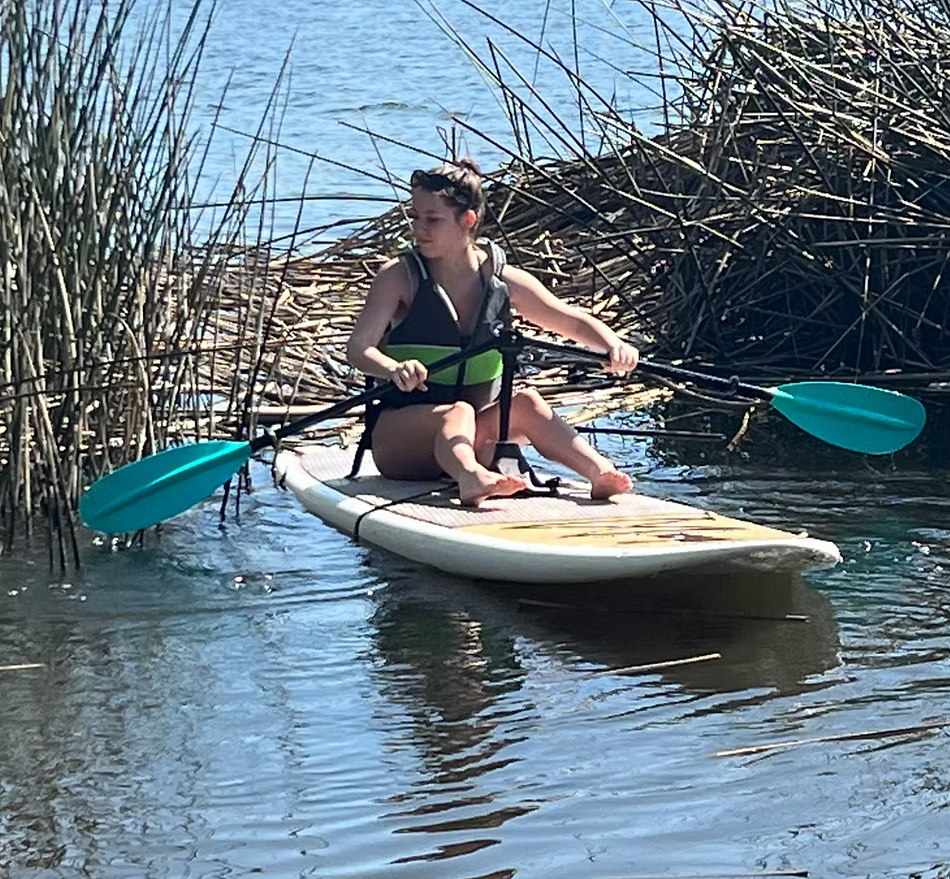 The Versa Paddle System is designed to keep kayakers as independent and active as possible. A mount supports the weight of the kayak paddle while you paddle, reducing stress on your shoulders, back and joints. The Versa Paddle can be used straight or angled downward on both sides. The angled position requires a smaller range of motion and permits one-handed paddling, making kayaking possible for people with injuries, disabilities, amputations and other mobility limitations.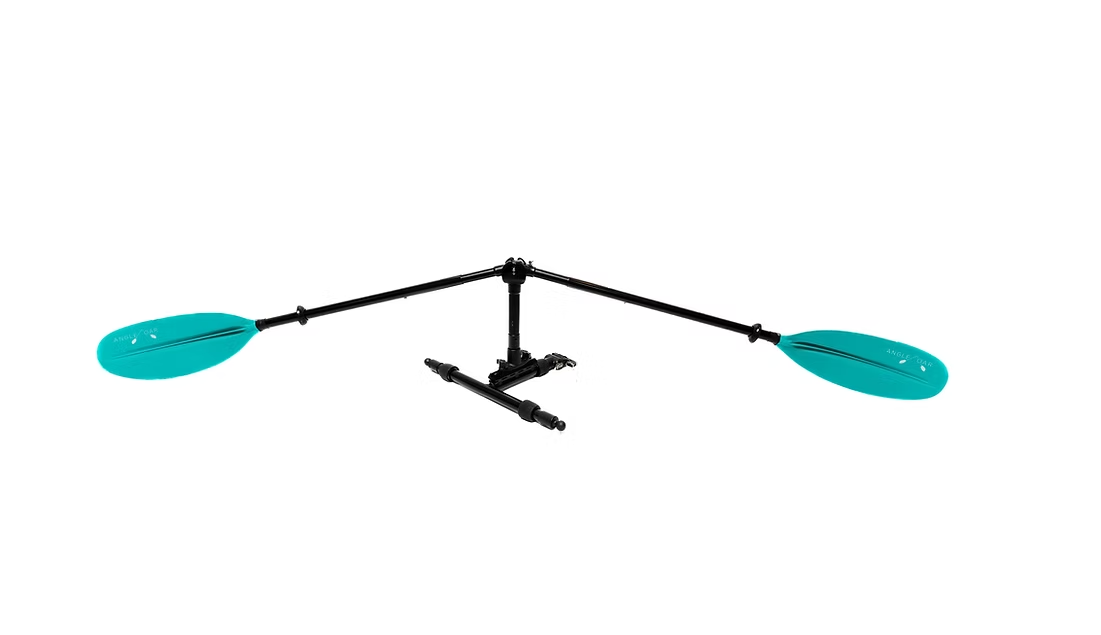
For paddlers who have paralysis or a missing limb on one side, or who've had shoulder surgery and rotator cuff problems, preserving shoulder function and range of motion (ROM) on their other side is imperative. You don't want to do any repetitive movement that compromises that function, such as raising your arm too high. Versa gives you the option of shifting more energy into the stroke on your dominant side so that you're putting less strain on your compromised side. Angling Versa downward provides even more benefits. It requires only the slightest range of motion, with hands staying in the 10 and 2 o'clock positions. Physical and recreational therapists highly recommend Versa to their clients for just this reason.
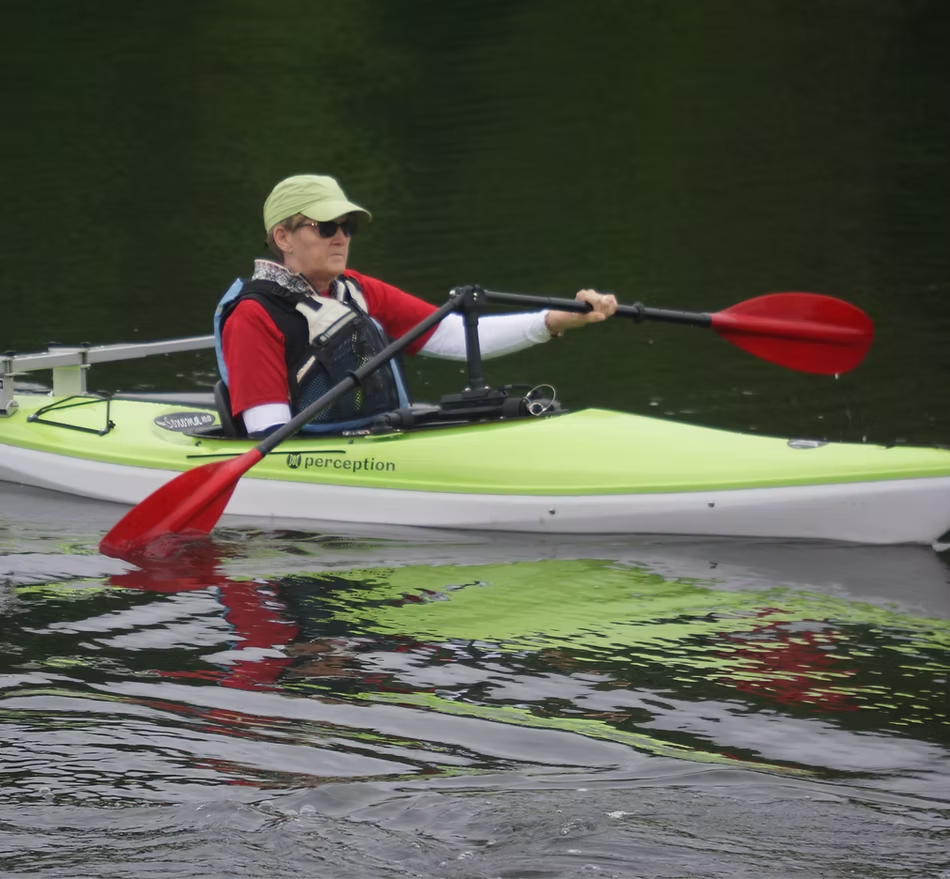 Because our Hinged Mount for sit-in kayaks attaches to both the front coaming and the two side coamings, our Versa Paddle stays secure. The centralized support allows you to put the blade in both sides of the water very easily, without losing control. There's no wobbling or pivoting around, meaning even paddlers with one hand (e.g., due to paralysis, congenital amputation, stroke, etc.) or very little strength or coordination can paddle a kayak with ease.
Creating Abilities Paddle Grip Assists
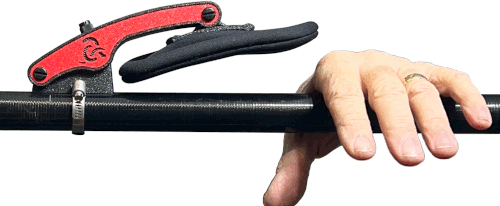
Hand Adaptation
This back-of-the-hand grip is designed for use by those who have some hand function and can grip the paddle shaft on their own, but need a bit more support. The adaptation takes lifting pressure off of the fingers and places it on the arms. The height is adjustable and the end is open to allow for proper pressure without inhibiting release.
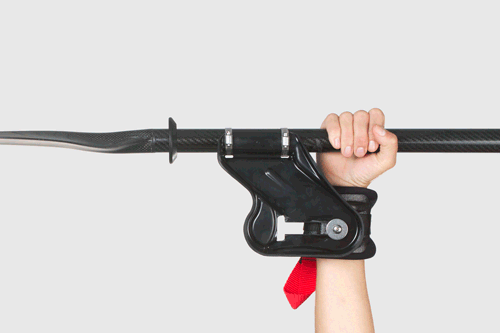
Wrist Adaptation
For those who are not able to grasp the paddle shaft, we designed a two-part system. A wristband is worn on the wrist and an attachment plate is mounted to the paddle shaft. The wristband then slides into the paddle attachment, allowing full power, rotation and control without releasing. However, it releases easily by sliding the hand out, maximizing safety.